
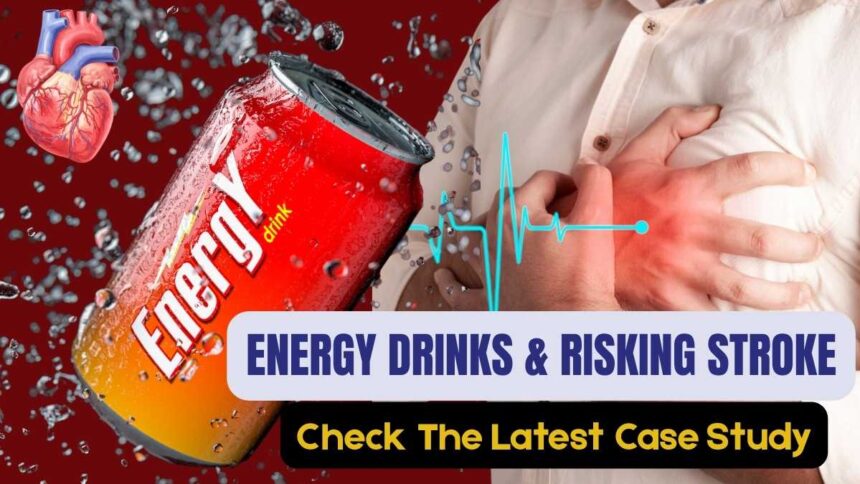
Energy drinks, which come in brightly coloured cans that claim to provide an instant boost of focus and increased performance, as well as a spike in energy, are becoming more popular among students, workers, athletes, and people who work the night shift. Due to their aggressive marketing efforts and easy accessibility, energy drinks are often viewed as a safe alternative to soda and coffee.
- Energy Drinks & Stroke Risk
- Latest News about Energy Drinks & Stroke Risk
- What are scientific studies predicting?
- Why are energy drinks considered so dangerous (beyond caffeine)?
- Warnings Concerning the Long-Term Impact of Energy Drinks
- Energy Drinks & Stroke Risk–Conclusion
- FAQ’s Related To Energy Drinks & Stroke Risk
- Do energy drinks actually lead to an increased risk of stroke?
- What are some of the most common warning signs related to excessive use of energy drinks?
- Can stopping the use of energy drinks lead to a reversal of the health effects caused by overconsumption?
- Are energy drinks regulated?

New scientific studies have proven that there are many health risks associated with the use of energy drinks, particularly regarding the increased risk of Heart Disease and Stroke. Recently, a case of an otherwise healthy person who suffered serious side effects due to excessive consumption of energy drinks has drawn attention to the potential dangers of this product.

Energy Drinks & Stroke Risk
In December 2025, doctors in the UK had a shocking case involving a healthy man in his 50s, who suffered a stroke from drinking 8 energy drinks per day (well over the recommended limit for caffeine). His blood pressure reached 254/150 mmHg, an extremely high value indicating a high risk of stroke, and remained elevated until he stopped drinking those energy drinks. After stopping, his blood pressure dropped back to normal.

This case has raised new concerns about the habitual use of Energy Drinks, especially among heavy and frequent consumers of energy drinks, and prompted further advisories from health professionals globally. Though an isolated example of energy drink misuse, the rising body of evidence indicates that habitual energy drink usage can lead to Cardiovascular Effects i.e., Increased Blood Pressure, Arrhythmias, And Compromised Vascular Structure.
Latest News about Energy Drinks & Stroke Risk
- In December 2025, BMJ Case Reports published an article regarding a healthy non-smoking male in his 50s who had a cerebrovascular accident. This patient’s ischemic episode occurred after he consumed roughly eight energy beverages per day.
- On the first day of hospitalisation, the patient was discovered to have severe hypertension (254/150 mmHg), which is common among individuals experiencing a stroke.
- Upon discontinuing his use of energy drinks, the patient quickly achieved normalisation of his blood pressure and did not require any additional medications for hypertension.
- It is important to note that the CVA resulted in a permanent deficit (i.e., numbness and weakness on one side); however, the fact that this individual was able to achieve normalisation of blood pressure shortly after stopping energy drink consumption may indicate an association between excessive energy drink consumption and increased cardiovascular risk.
- Based on this and other findings, many healthcare advocates are advocating for more stringent regulation of the sale and marketing of energy drinks, especially given the potential impact on younger individuals.

What are scientific studies predicting?
Dozens of studies were reviewed in detail in a recent (2025) article in the journal Current Cardiology Reports that found that energy drinks have a variety of effects on the cardiovascular system — increased heart rate, increased blood pressure (hypertension), prolonged QT-interval, & ECG Changes.
Specifically, there is significant evidence that some energy drinks contain large amounts of caffeine (and other stimulants), depending on serving sizes and frequency of consumption; the presence of these other ingredients (taurine, guarana, glucuronolactone) may enhance strain placed on the heart and blood vessels due to the increased number of stimulants consumed.

Why are energy drinks considered so dangerous (beyond caffeine)?
- Energy drinks are not limited to caffeine; many also contain stimulants like taurine, guarana, ginseng, and significant amounts of sugar. These components can amplify their effects on the cardiovascular system.
- The resulting combination may result in a fast heartbeat, elevated blood pressure, strain on blood vessels, and potential complications with blood clotting or arrhythmias.
Warnings Concerning the Long-Term Impact of Energy Drinks
While his blood pressure ultimately normalised, the Neurological Damage remained. Eight years following the incident, the man continues to feel numbness on his left side, a lasting reminder of how rapidly a cerebrovascular injury can exceed the body’s healing capabilities, even after the underlying cause has been addressed.

The authors point out that this singular case cannot establish a causal relationship, but it contributes to the mounting concern about the cardiovascular pressure associated with heavy energy drink consumption. Given the popularity of these drinks, especially among youth, they suggest that clearer recommendations and stricter oversight could help prevent similar occurrences in the future.
Energy Drinks & Stroke Risk–Conclusion
Energy drinks were once thought of as harmless energy sources, but due to growing evidence linking high consumption of these beverages with many cardiovascular problems, including stroke, the drinks have come under increased scrutiny as of late.
The recent example of a perfectly healthy man who had suffered a stroke after drinking eight cans of energy drink in one day serves as a reminder that what we think to be “innocent” behaviours can actually result in severe health complications.
FAQ’s Related To Energy Drinks & Stroke Risk
Do energy drinks actually lead to an increased risk of stroke?
Yes, individuals who consistently consume energy drinks regularly, especially at higher amounts, will have higher levels of blood pressure and increased risk for stroke due to regular use of these beverages, and they will also develop irregular heartbeats.
What are some of the most common warning signs related to excessive use of energy drinks?
Most common symptoms associated with energy drink overuse are: Heart palpitation, Dizziness, Headache, Anxiety or jitteriness, Chest pain, and Elevated blood pressure.
Can stopping the use of energy drinks lead to a reversal of the health effects caused by overconsumption?
In many cases, yes. Some individuals have returned to having normal blood pressure levels following their cessation of heavy use of energy drinks.
Are energy drinks regulated?
Many countries still place little regulation regarding energy drinks, although multiple health professionals are advocating for stricter limits regarding the amount of caffeine allowed in these products, as well as guidelines regarding the labelling of these products and the ability to sell to minors.